

Super Bowl LX one of America’s most-watched cultural events delivered an unforgettable halftime show in 2026, headlined by Puerto Rican superstar Bad Bunny. The performance was historic, culturally bold, and widely discussed but it also sparked sharp criticism from former U.S. President Donald Trump, who publicly attacked the show’s artistic choices.
A Historic Halftime Moment
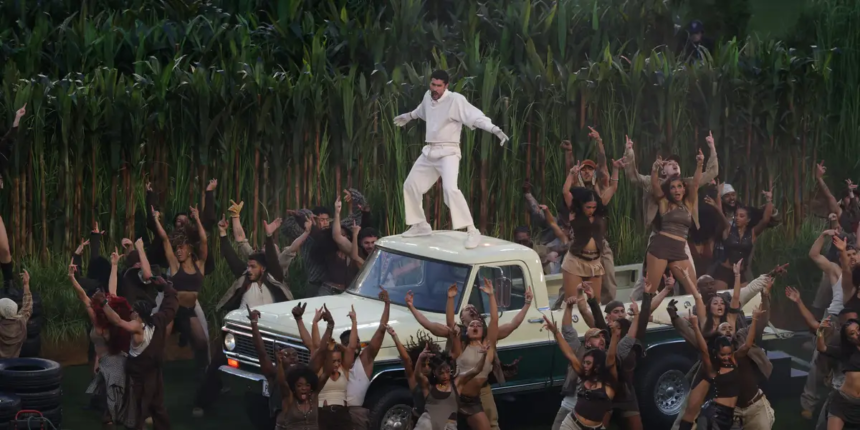
On February 8, Bad Bunny (born Benito Antonio Martínez Ocasio) took the stage at Super Bowl LX in Santa Clara, California, marking a milestone in Super Bowl history. He became the first headliner to perform a halftime show almost entirely in Spanish, spotlighting Latin music and culture on one of the world’s biggest entertainment stages.
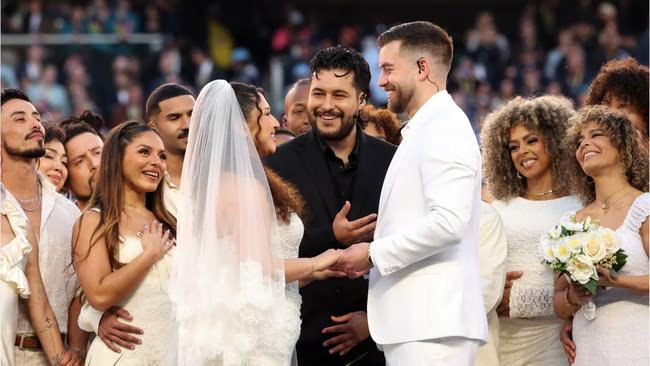
The 14-minute show blended reggaeton, Caribbean rhythms, and Puerto Rican imagery with powerful symbolic elements including a real wedding ceremony performed on the field and visuals celebrating unity and diversity across the Americas. Guest appearances from stars like Lady Gaga, Ricky Martin, Cardi B, and Pedro Pascal helped make the performance feel like a pop-culture celebration of cross-continental influence.
Bad Bunny closed the performance with messages emphasizing togetherness and positivity. A football held at the end read: “Together, we are America,” and large screens displayed the phrase: “THE ONLY THING MORE POWERFUL THAN HATE IS LOVE.”
Trump’s Scathing Reaction
While many viewers praised the show’s energy and cultural significance, Donald Trump expressed strong disapproval almost immediately.
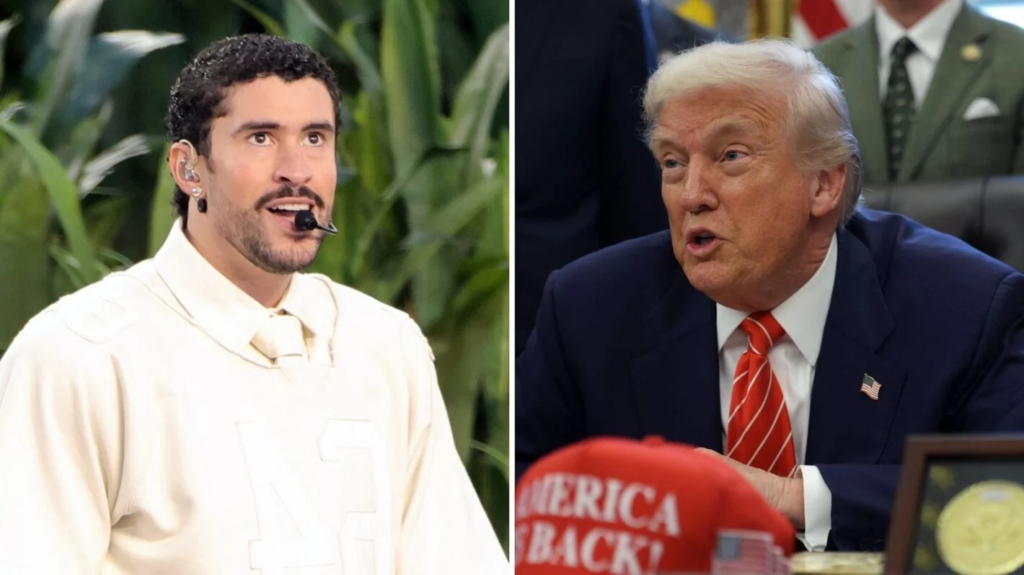
In a post on his social media platform (Truth Social), Trump described Bad Bunny’s halftime performance as
“absolutely terrible, one of the worst ever.”
He went further, calling the show “an affront to the Greatness of America” and criticizing both the language and choreography — asserting that “nobody understands a word this guy is saying” and that the dancing was “disgusting, especially for young children.”
Trump, who had previously criticised the choice of Bad Bunny — alongside other artists like Green Day — to perform at the Super Bowl, framed his critique as part of a broader cultural stance. He characterized the show as something that was out of step with American values and standards of entertainment.
Cultural and Political Undercurrents
The clash over the halftime show cuts across cultural and political lines. Bad Bunny’s performance — rooted in Latin music and language — was celebrated by many as a breakthrough moment in representation and mainstream pop culture. His prominence followed a historic Grammy win for Album of the Year for his Spanish-language project Debí Tirar Más Fotos just days before the Super Bowl.
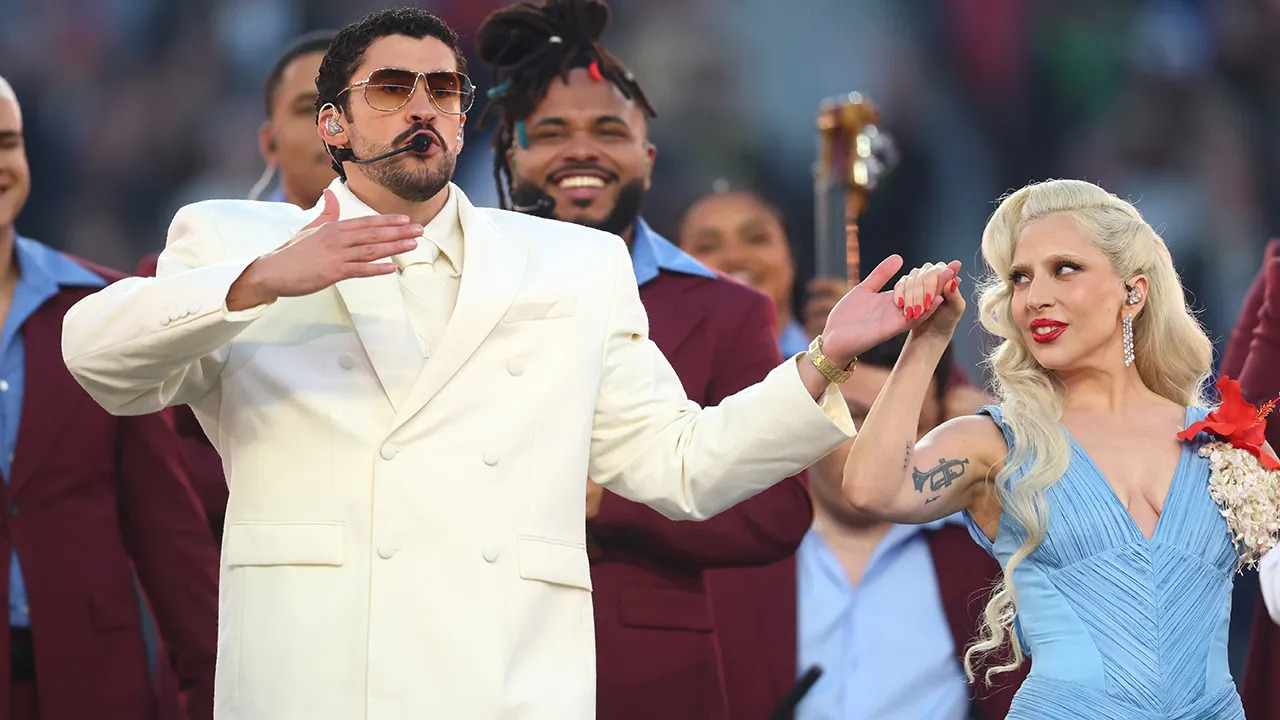
Bad Bunny has been openly critical of certain U.S. immigration policies in the past, including strong comments against ICE procedures during his Grammy acceptance speech. While he did not directly address Trump during the halftime show itself, his presence and performance inevitably became part of broader conversations about cultural identity, inclusivity, and national narratives.
The public reaction to Trump’s comments was mixed, reflecting ongoing divisions in American cultural politics. Many fans praised Bad Bunny’s artistry and applauded the show’s celebration of diversity, while critics — often aligning with conservative viewpoints — echoed Trump’s concerns about language, messaging, or entertainment choices.
What This Moment Means
Whether seen as a cultural milestone or a controversial spectacle, Bad Bunny’s Super Bowl halftime show was undeniably historic. It showcased:
- Spanish-language music on one of entertainment’s biggest stages
- A message of unity and love in a global spotlight
- A performance that blurred lines between music, culture, and social commentary
Trump’s vocal criticism adds a political dimension to what might otherwise be viewed simply as pop culture highlighting how entertainment, identity, and politics increasingly intersect in today’s media landscape.