


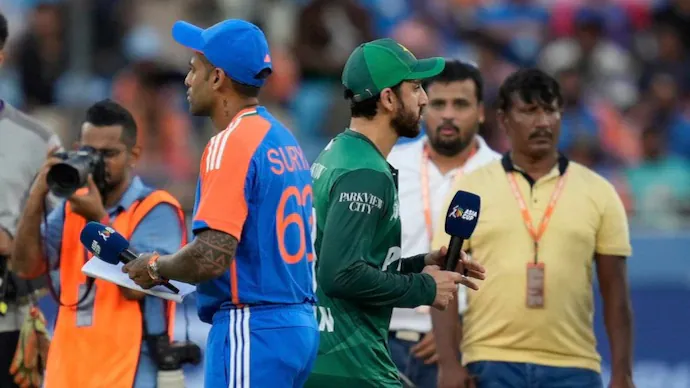
After days of uncertainty and intense diplomatic and cricket board negotiations, the highly anticipated India vs Pakistan T20 World Cup 2026 match has been saved. Pakistan has reversed its decision to boycott the game and will face India as originally scheduled in Colombo on February 15 — a decision that comes as a relief to the global cricket community and fans worldwide.
What Happened: From Boycott to U-Turn
Earlier this month, Pakistan’s government announced that its national team would participate in the ICC Men’s T20 World Cup 2026 — but not play their marquee group-stage clash against India on February 15 in Colombo. That rare stance was seen as a political statement tied to regional tensions and solidarity with Bangladesh after they were removed from the tournament following venue disputes.
However, after extensive discussions involving:
- the Pakistan Cricket Board (PCB)
- the International Cricket Council (ICC)
- the Bangladesh Cricket Board (BCB)
- government officials from Pakistan and friendly nations
Pakistan’s government issued a directive for the national team to take the field against India on February 15, effectively ending the boycott.
Why the Change of Heart?
Several factors contributed to the reversal:
1. Pressure from Cricket Authorities and Boards
The BCB publicly urged Pakistan to reconsider its boycott for the sake of cricket’s spirit and global viewership, calling the match “beneficial to the entire cricket ecosystem.”
2. ICC Engagement
The ICC engaged in talks with the PCB and government officials to prevent a breach of tournament obligations. While the ICC had hinted at potential consequences for a boycott, dialogues emphasized resolving tensions and keeping the event intact.
3. Diplomatic Talks
Leaders from Sri Lanka and other regional partners joined efforts to encourage Pakistan to play, framing the match as part of broader cricket camaraderie rather than a political battleground.
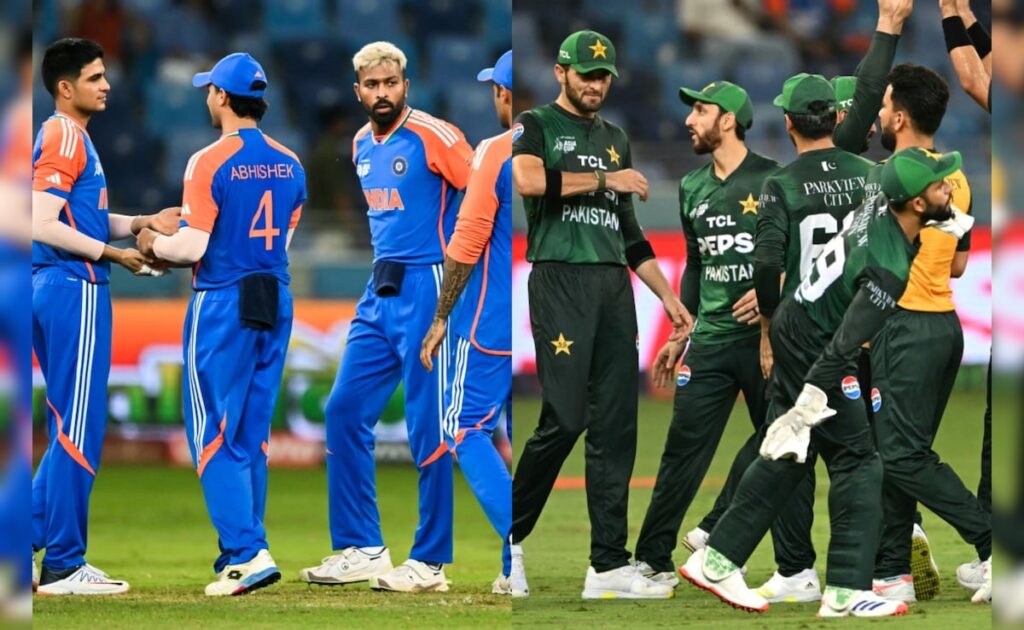
The Importance of India-Pakistan Cricket
Matches between India and Pakistan are among the most watched sporting events globally, generating huge TV audiences and sponsorship value. A cancellation would have had major financial and competitive implications for the tournament, broadcasters, and the ICC’s revenue model — particularly given the billions tied to broadcast rights and global fan engagement.
Moreover, for fans across the subcontinent and the wider cricketing world, an India-Pakistan fixture carries deep emotional and cultural significance, often transcending sport to symbolize national pride and rivalry.
What This Means for the World Cup
- Pakistan will now play India on Feb 15, keeping the tournament schedule intact.
- The match will take place in Colombo, Sri Lanka, a neutral venue agreed upon after earlier scheduling controversies.
- Both teams remain in Group A alongside teams like Namibia, the Netherlands, and the USA, meaning every result will be vital for progression to the knockout stages.
This episode has underscored how cricket and politics often intersect in South Asia. Still, the latest decision reflects a collective desire — from administrators, governments, and fans — to keep one of sport’s most iconic rivalries alive and ensure the T20 World Cup proceeds without major disruption.