



There was a time when protests stopped governments in their tracks. Streets filled, headlines exploded, leaders responded. Today, millions can march, chant, block roads, trend online—and governments barely blink.
Protests still happen. Loudly. Frequently. Globally.
But shock? That’s gone.
Protests Have Become Predictable
One reason protests no longer shake power is simple: governments expect them.
From fuel prices to elections, protests now follow a familiar script:
- An announcement
- Public outrage
- Marches and slogans
- Police deployment
- A statement calling for “dialogue”
- Then… nothing changes
When dissent becomes routine, it loses its disruptive force. What once felt like a crisis now feels like background noise.
Governments Have Learned to Wait It Out
Modern governments rarely rush to respond. They’ve learned that most protests:
- Lose momentum within days
- Fragment internally
- Fade once media attention shifts
Power no longer reacts immediately—it delays. Waiting has become a strategy. As long as protests remain temporary and uncoordinated, time works in the government’s favor
Outrage Is Constant—and That’s the Problem
We live in an era of permanent outrage. Something is always happening, always trending, always demanding attention.
This creates a strange effect:
When everything is urgent, nothing feels critical.
Governments know the public’s attention span is short. Today’s protest is tomorrow’s forgotten headline, replaced by the next crisis, scandal, or viral clip.
Digital Protests Feel Powerful—but Often Aren’t
Social media has made protesting easier than ever. Hashtags trend. Videos go viral. Statements flood timelines.
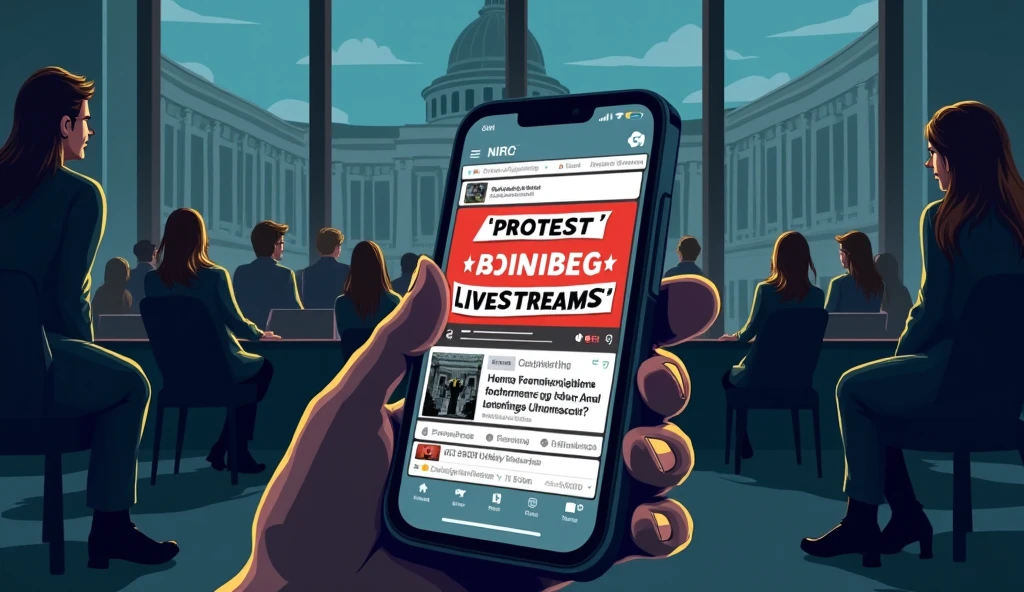
But online outrage often lacks:
- Clear leadership
- Unified demands
- Long-term pressure
Governments have adapted to digital anger. They issue statements, let algorithms move on, and continue as before. Visibility without leverage doesn’t force change.
Protest Without Disruption Is Easy to Ignore
Historically, protests worked when they disrupted systems:
- Economies slowed
- Governance stalled
- International pressure followed
Today, many protests are symbolic rather than disruptive. Streets are blocked briefly, speeches are delivered, and life resumes. Without sustained disruption, power structures remain intact.
Governments aren’t shocked by noise. They’re threatened by paralysis—and most protests no longer create it.
Institutions Are More Insulated Than Ever
Modern states are buffered by:
- Strong security forces
- Controlled media narratives
- Legal frameworks restricting dissent
- Economic mechanisms that absorb instability
Protests can express anger, but institutions are designed to withstand it. The system bends just enough to avoid breaking.
Fragmented Movements Weaken Impact
Another issue is fragmentation. Protests today often lack:
- A single voice
- A clear end goal
- Strategic unity
Different groups protest for different reasons under the same banner. Governments exploit this division, engaging selectively while avoiding meaningful change.
A divided movement is easier to manage than a focused one.
When Protest Becomes Performance
There’s an uncomfortable truth: some protests are no longer aimed at change, but at visibility.
Photos. Videos. Statements. Moral positioning.
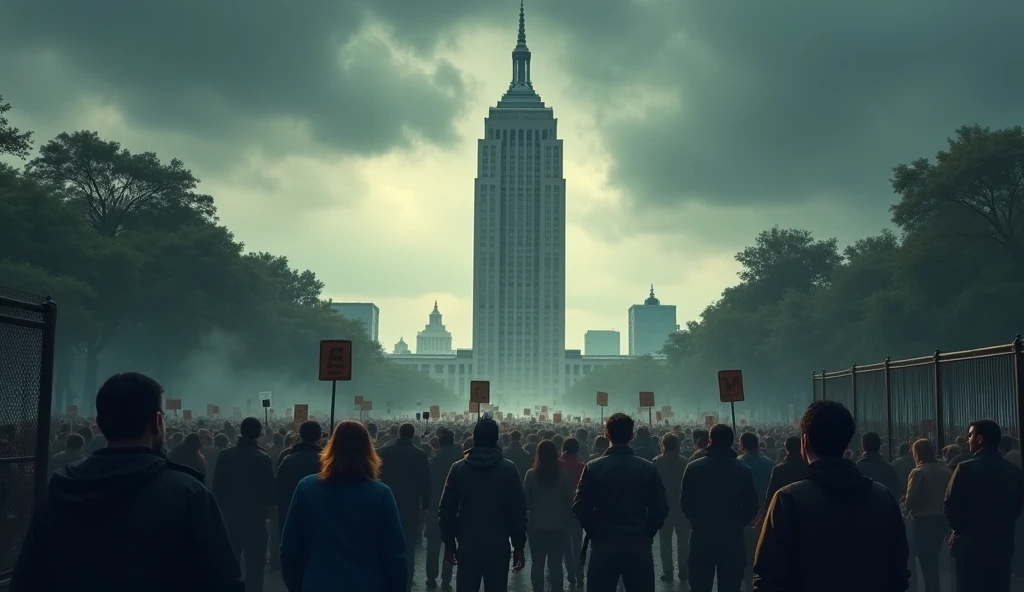
When protest becomes performative, governments recognize it as expression—not pressure. Expression can be acknowledged. Pressure must be addressed.
What Still Scares Governments
Governments may no longer be shocked by protests—but they still fear:
- Sustained economic disruption
- Organized labor action
- International isolation
- Unified leadership with clear demands
- Protests that don’t go away
Shock doesn’t come from numbers alone. It comes from strategy, persistence, and consequences.
The Real Question
The question is no longer why governments aren’t shocked.
It’s whether protests are being designed to be heard or merely to be seen.
Until protests regain the ability to disrupt power—not just express anger—governments will continue to watch, wait, and move on.