



One of the most intriguing stories in sports right now is unfolding not on court, but on paper.
Legendary tennis icon Serena Williams, a 23-time Grand Slam singles champion, has been officially listed as eligible to return to professional tennis from February 22, 2026 after completing the mandatory six-month anti-doping testing requirement set by the International Tennis Integrity Agency (ITIA).
The sports world is buzzing. The question isn’t just if Serena could return — it’s what her return would mean for the women’s tour, the next generation of players, and the future of tennis itself.
A Path Opened, But No Confirmation Yet
Serena’s name appearing on the ITIA eligible list doesn’t automatically guarantee a comeback — and she hasn’t confirmed any plans to compete. In fact, she previously fueled speculation about a return by re-entering the sport’s testing pool. But when asked about a comeback on national television, she remained non-committal, saying only that she’s “just going to see what happens.”
That ambiguity is part of what makes this moment so compelling.
What Her Return Would Mean for Tennis
Regardless of whether she actually steps back onto the court, the possibility of Serena competing again has major implications:
Legacy and Fan Excitement
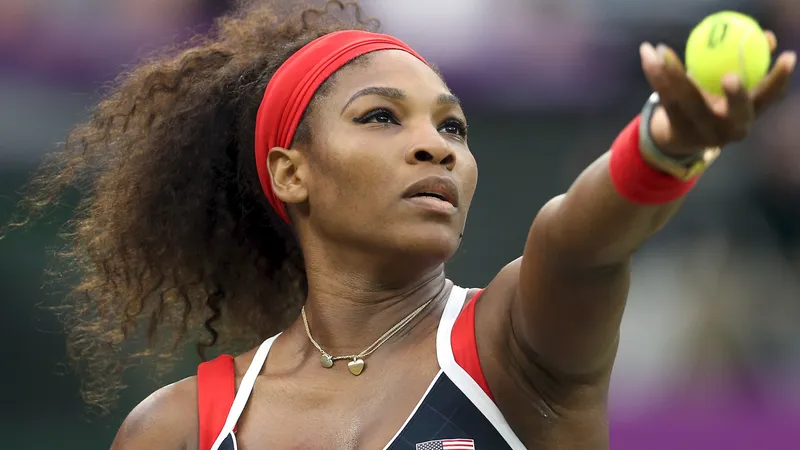
Serena Williams is one of the greatest athletes in history. If she returns, even for a limited schedule, it would reignite global interest in a tour that is constantly searching for crossover stars. Her name still draws headlines and fan engagement no current player can match.
Breaking Age Barriers in Sports
At age 44, she would continue to push the boundaries of what’s possible in elite competition. The success of her sister, Venus Williams, who returned to the tour in 2025 at age 45, shows that age alone doesn’t define athletic impact.
A Boost for Women’s Tennis
Her presence — even in a handful of events — would amplify attention on women’s tennis at a time when the sport seeks new stars to captivate a global audience. Sponsors, broadcasters, and fans alike benefit from the Serena effect.
Influence on Younger Players
Even without dominating results, Serena’s experience, attitude, and competitive fire would inspire the next generation of stars. Players like Aryna Sabalenka and Iga Świątek have voiced admiration for her career, and a return could deepen that respect among rising talents
Why It’s Still Unclear
Here’s the catch: eligibility doesn’t equal a decision to play.
Serena retired from regular competition after the 2022 US Open and described her departure as “evolving away” from tennis rather than a formal retirement. Though the path is open, she has not announced a tournament schedule, nor confirmed where or how often she might compete if she does return.
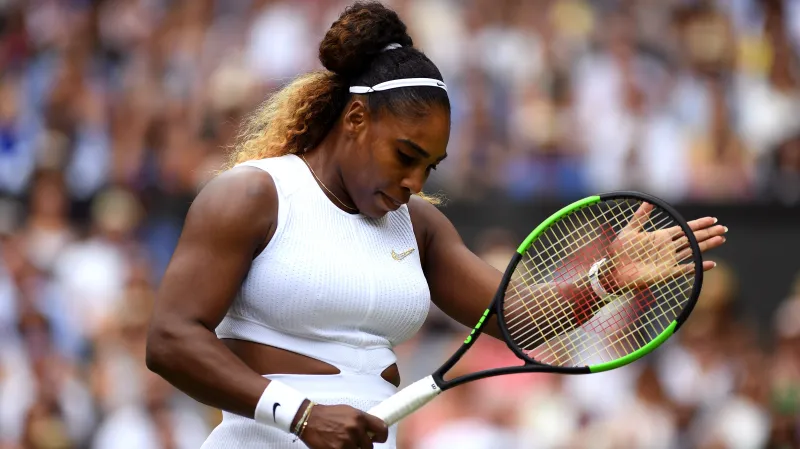
That uncertainty fuels both speculation and excitement. Fans debate whether she will focus on doubles, singles, or a mix — and whether a Grand Slam appearance is possible at iconic events like Indian Wells, Miami Open, Roland Garros, or even Wimbledon later in the season.
A Moment of Reflection
Even without a final decision, Serena’s eligibility represents more than a procedural milestone. It highlights:
- The challenge of returning to elite sport after years away
- The power of legacy in shaping athletic narratives
- The emotional connection between fans and a global superstar
For tennis — and for sports in 2026 — Serena Williams’ name still matters.
Whether she competes or chooses a path beyond the baseline, her impact on the game remains unmistakable.