


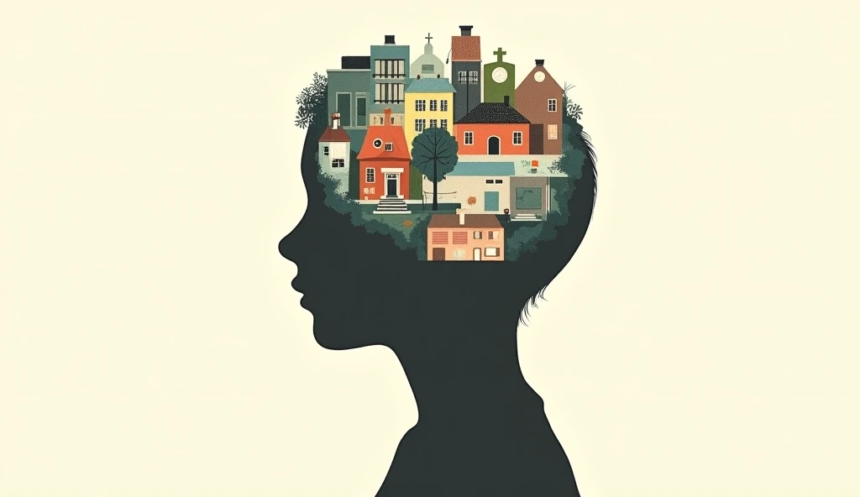
We often think of personality as something we’re born with — a mix of temperament, genetics, and natural traits. But where and how you grow up quietly plays an equally powerful role in shaping who you become.
From the streets you walked to the conversations you overheard at home, your environment leaves fingerprints on your personality long before you realize it.
Home Is the First Classroom
The household you grow up in teaches you emotional rules before you ever learn social ones.
- Homes that encourage open communication often raise people who express themselves easily.
- Strict or emotionally distant environments may produce individuals who are more reserved, cautious, or highly independent.
- Chaotic households can create adaptability — or anxiety — depending on how safety and support were balanced.
Children don’t just listen to what adults say. They absorb how adults react to stress, conflict, and affection.
Neighborhoods Shape Awareness and Survival Skills
Growing up in a quiet, safe neighborhood versus a high-pressure or unstable one creates very different outlooks on the world.
People raised in environments where they had to stay alert often develop:
- Strong intuition
- Quick decision-making skills
- Emotional resilience
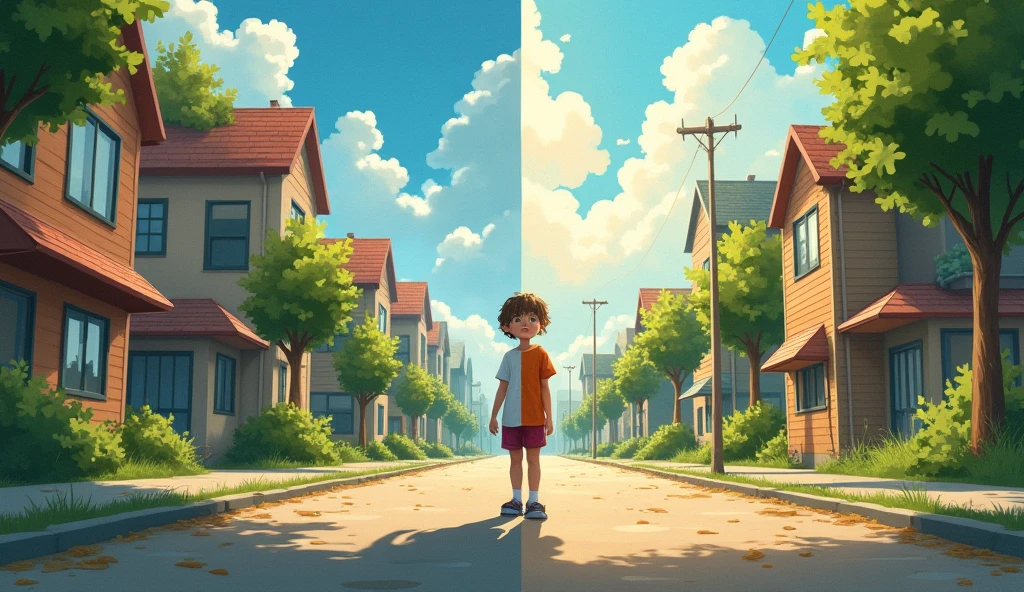
Meanwhile, those from calmer environments may develop:
- Higher trust in others
- A stronger sense of long-term planning
- Comfort with vulnerability
Neither is better — they’re adaptations to different realities.
Culture Influences Identity
Culture plays a major role in shaping personality traits like confidence, humility, and ambition.
- Collective cultures often emphasize family loyalty, respect, and social harmony.
- Individualistic cultures tend to encourage self-expression, independence, and personal achievement.
The values you’re surrounded by determine what behaviors are rewarded — and over time, rewarded behaviors become habits.
Education Shapes Confidence and Curiosity
Schools don’t just teach subjects; they teach self-worth.
Supportive learning environments can build confidence, curiosity, and a love for exploration. Competitive or rigid systems may sharpen discipline and ambition — but sometimes at the cost of creativity or emotional openness.
Teachers, peers, and even classroom dynamics influence how comfortable a person becomes with authority, questioning ideas, and taking risks.
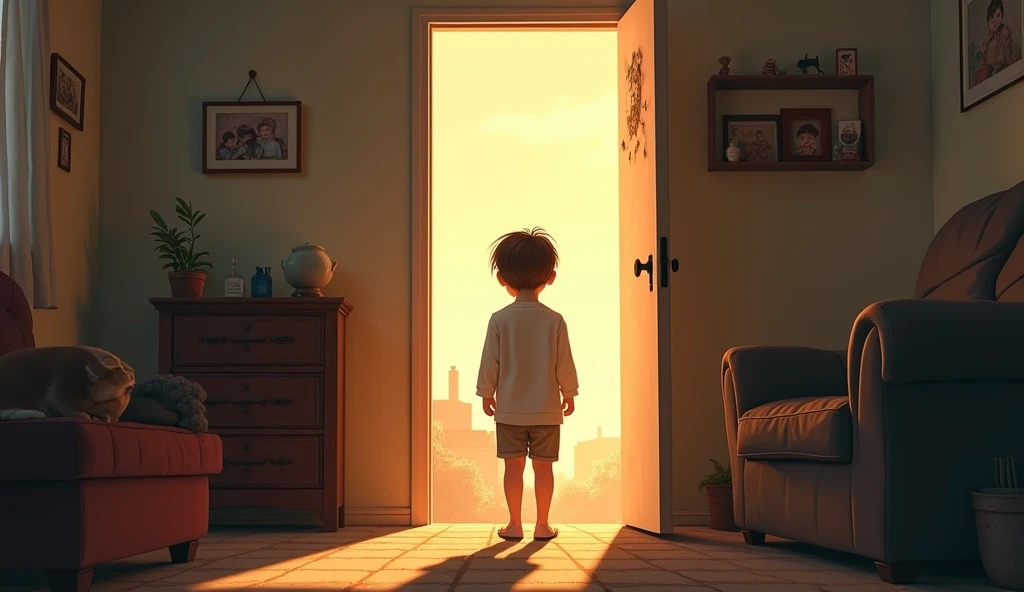
Early Experiences Leave Long Shadows
Moments from childhood — encouragement, neglect, praise, or criticism — often echo into adulthood.
A child praised for effort may grow into an adult who embraces challenges. A child criticized harshly may become self-critical or overly cautious. These patterns aren’t permanent, but they’re powerful starting points.
Adaptation Becomes Personality
Over time, coping mechanisms turn into personality traits.
- Being quiet may start as self-protection.
- Humor may develop as a way to diffuse tension.
- Independence can form when support feels unreliable.
What we call “personality” is often a record of how we learned to survive, belong, and feel safe.
Can Personality Change?
Yes — but awareness comes first.
Understanding how your environment shaped you gives you the power to keep what serves you and question what doesn’t. Growth doesn’t mean rejecting your past; it means recognizing it.
Your upbringing influenced you — it did not define your limits.
The Bigger Picture
Where you grow up doesn’t just shape your accent or habits. It shapes how you trust, love, communicate, and respond to the world.
Personality isn’t created in isolation. It’s built quietly, daily, through environments that teach us who we need to be — before we choose who we want to become.