


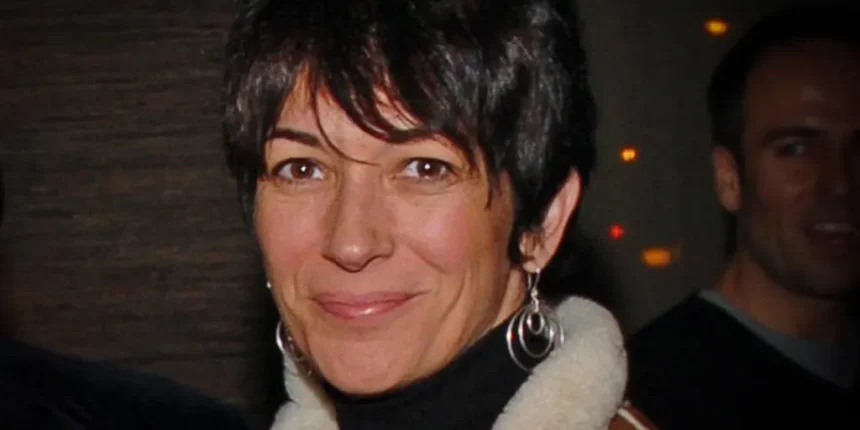
For years, Ghislaine Maxwell existed on the edges of power—rarely photographed, rarely questioned, and largely invisible to public scrutiny. Yet when Jeffrey Epstein’s crimes finally faced legal consequences, it was Maxwell who became the most significant figure held accountable.
Her conviction marked a rare moment of justice in a case defined by silence, privilege, and systemic failure. But it also raised a deeper question: was Ghislaine Maxwell a central architect of abuse—or a single fall person in a much larger system?
Who Is Ghislaine Maxwell?
Ghislaine Maxwell was a British socialite and the daughter of media tycoon Robert Maxwell. After her father’s death in the early 1990s, she relocated to the United States, where she became closely associated with Jeffrey Epstein.
Publicly, Maxwell presented herself as a philanthropist, a connector, and a respected figure within elite social circles. Privately, prosecutors later argued, she played a crucial role in facilitating Epstein’s sex trafficking operation.
Her Role in Epstein’s Crimes
According to court findings, Maxwell was not a passive bystander. She was convicted of:
- Recruiting underage girls
- Grooming and normalizing abuse
- Transporting victims
- Assisting Epstein in maintaining control over them
Survivor testimony described Maxwell as an active participant—someone who gained trust, enforced silence, and helped create an environment where exploitation was presented as normal.
This distinction mattered legally. While Epstein was portrayed as the primary abuser, Maxwell was prosecuted as an enabler, a role the justice system has historically struggled to confront.
The Trial and Conviction
In 2021, Ghislaine Maxwell was convicted on multiple federal charges related to sex trafficking and conspiracy. She was later sentenced to 20 years in prison, a sentence that signaled seriousness but also underscored limitations.
The trial focused narrowly on specific victims and timeframes. While it established Maxwell’s guilt, it did not expand into a broader investigation of Epstein’s wider network or powerful associates.
In that sense, the trial delivered justice—but not closure.
Why Maxwell Was Prosecuted When Others Were Not
Maxwell’s conviction stands out precisely because it is so rare. Several factors contributed to her prosecution:
- Direct survivor testimony
- Documented involvement
- Clear jurisdictional authority
- A public demand for accountability after Epstein’s death
Unlike others connected to Epstein, Maxwell could be legally tied to specific criminal acts. That made her prosecutable—even as broader questions about others remained unanswered.
Her case exposed a reality many find uncomfortable: the justice system often moves forward only when evidence is unavoidable and targets are legally accessible.
Public Perception: Villain or Symbol?
To some, Maxwell is the embodiment of cruelty—a willing accomplice who exploited vulnerable girls. To others, she represents something more complex: a symbol of selective accountability in a system that protects the powerful.
Both views can coexist.
Maxwell was guilty of serious crimes. But her conviction also highlighted how accountability in elite abuse cases often stops at the most legally convenient point.
What the Maxwell Case Reveals
The significance of Ghislaine Maxwell’s conviction goes beyond her individual actions. It revealed:
- How enablers sustain abusive systems
- How long power can delay justice
- How rare accountability is in elite circles
- How many questions remain unanswered
Her case proved that prosecution is possible—but also how limited it can be.
The Unfinished Story
Ghislaine Maxwell is serving a prison sentence. Jeffrey Epstein is dead. But the system that allowed their crimes to continue for years has not been fully examined.
Until transparency replaces secrecy and power stops functioning as protection, the Maxwell case will stand as both a warning and a reminder: justice, when it arrives late and alone, is still incomplete.