


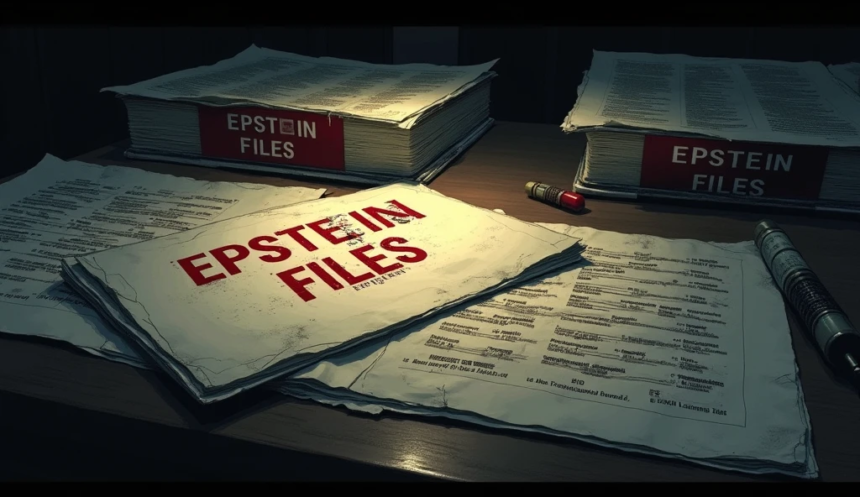
Few criminal cases in modern history have generated as much speculation as the Jeffrey Epstein scandal. Beyond the crimes themselves, public attention has increasingly focused on one recurring detail: the names that appear in Epstein-related emails, contact lists, flight logs, and court documents.
For many readers, a name appearing in these materials feels like an accusation. In reality, the truth is far more complicated.
Why So Many Names Appear in Epstein Documents
The documents released through court filings and Department of Justice disclosures include thousands of pages of:
- Emails
- Address books
- Flight manifests
- Photographs
- Scheduling notes
Epstein cultivated relationships across politics, business, academia, and media. As a result, his records reflect proximity to power, not automatic wrongdoing.
In legal terms, appearing in a document does not imply criminal involvement.
Names That Appear in the Epstein Case
Among those frequently discussed are Donald Trump, Bill Clinton, Bill Gates, Prince Andrew, Elon Musk, and a many more number of other influential figures.

Why High-Profile Names Appear at All
Jeffrey Epstein deliberately positioned himself among political leaders, billionaires, academics, and royalty. His strategy was proximity to power. As a result, his documents reflect access, not automatic involvement in criminal activity.
Records that include names come from:
- Email correspondence
- Contact lists
- Social calendars
- Flight logs
- Witness testimony
Each category carries very different legal weight.
Why So Many Names Appear in Epstein Documents
The documents released through court filings and Department of Justice disclosures include thousands of pages of:
- Emails
- Address books
- Flight manifests
- Photographs
- Scheduling notes
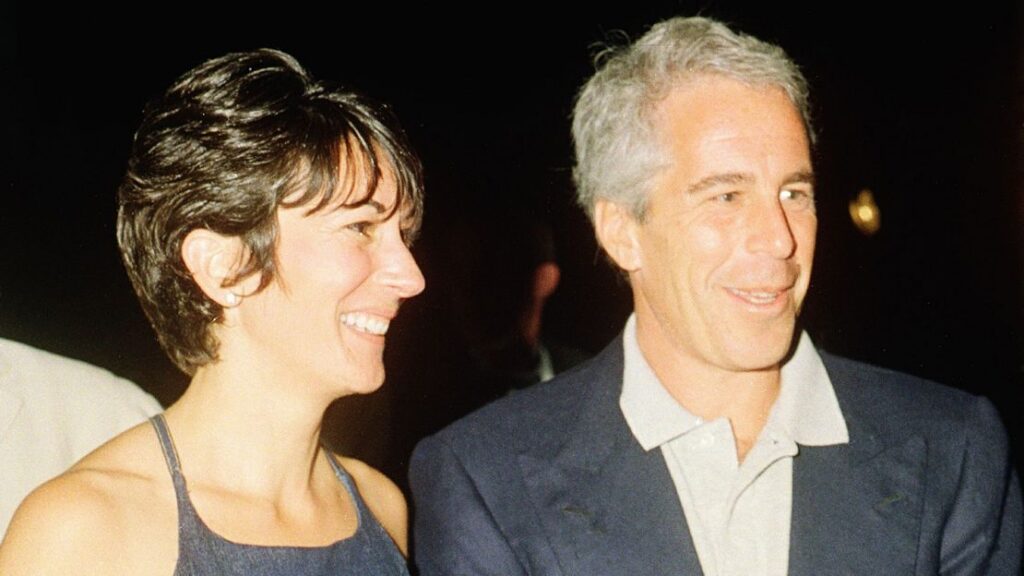
Epstein cultivated relationships across politics, business, academia, and media. As a result, his records reflect proximity to power.
Why Names Are Rarely Redacted
Many ask why names appear at all if no charges follow. The answer lies in transparency laws. Courts balance:
- Public interest
- Freedom of information
- Due process rights
Redacting all names would undermine transparency. Leaving names unexamined, however, can damage reputations without legal findings.
This tension sits at the heart of the Epstein case.
The Uncomfortable Truth
The Epstein case forces an uncomfortable realization: our desire for clear villains often outpaces what the law can prove.
Names appearing in documents answer one question—who moved in Epstein’s world—but they do not answer the most important one: who committed crimes.
Until that distinction is respected, the case will continue to generate heat without delivering clarity.