


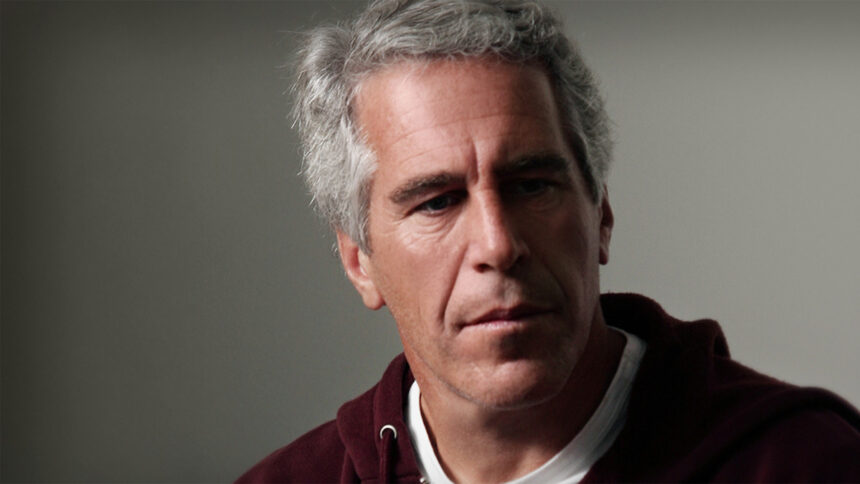
When Jeffrey Epstein died in a New York jail cell in August 2019, many assumed the story was over. In reality, it was only beginning. Epstein’s death closed the door on a criminal trial—but it opened a much larger question that still lingers years later:
Why has no one else been held accountable?
Epstein did not operate in isolation. Court documents, witness testimonies, and investigative reporting have consistently shown that he was surrounded by powerful individuals, enablers, and institutions. Yet, aside from Epstein himself and his longtime associate Ghislaine Maxwell, the legal consequences have been remarkably limited.
Epstein Wasn’t a Lone Actor
Epstein’s sex trafficking operation spanned years, countries, and social classes. Prosecutors established that he trafficked and abused underage girls with the help of employees, recruiters, and logistical support networks. Survivors have described a system that relied on silence, fear, and normalization of abuse.
Such an operation does not function without:
- Financial infrastructure
- Legal protection
- Social legitimacy
- Institutional blind spots
And yet, investigations into those surrounding layers have largely stalled.
The Role of Power and Influence
One unavoidable factor is power. Epstein was wealthy, well-connected, and deeply embedded in elite social circles. He moved comfortably among politicians, business leaders, academics, and royalty.
Power does not automatically imply guilt—but it often brings protection.

High-profile cases involving influential individuals frequently face:
- Aggressive legal defenses
- Confidential settlements
- Non-disclosure agreements
- Jurisdictional complications
In Epstein’s case, many potential leads were never fully pursued, and others quietly disappeared from public focus.
Legal Barriers and Prosecutorial Limits
Holding someone accountable requires evidence that meets strict legal standards. Many of Epstein’s alleged crimes occurred years—sometimes decades—before they became public. This created serious obstacles:
- Statutes of limitation limited what could be prosecuted
- Witness trauma and fear made testimony difficult
- Destroyed or sealed records restricted access to proof
Prosecutors are bound by what they can prove in court—not by what seems morally obvious.
Institutional Failure and Past Immunity
One of the most controversial aspects of the Epstein case is his 2008 non-prosecution agreement, which allowed him to avoid federal charges despite serious allegations. That deal effectively shielded not only Epstein but potentially others connected to him.
The agreement has since been widely criticized as an example of institutional failure—a moment where the justice system bent under pressure instead of enforcing accountability.
Once such precedents are set, reversing them becomes legally and politically difficult.
Media Attention—and Media Fatigue
Initially, the Epstein case dominated headlines. But sustained accountability requires long-term investigative pressure. Over time, media coverage faded, replaced by newer crises, elections, and global emergencies.
Public outrage has a short lifespan.
Without consistent attention:
- Investigations slow down
- Political will weakens
- Institutions revert to silence
The absence of ongoing coverage does not mean answers were found—it often means they were abandoned.
Fear of Consequences
Another uncomfortable reality is fear. Accusing powerful individuals carries personal, legal, and professional risks. Whistleblowers, journalists, and victims may face:
- Lawsuits
- Smear campaigns
- Threats or intimidation
In environments where consequences outweigh protection, silence becomes the safer option.
Ghislaine Maxwell: An Exception, Not the Rule
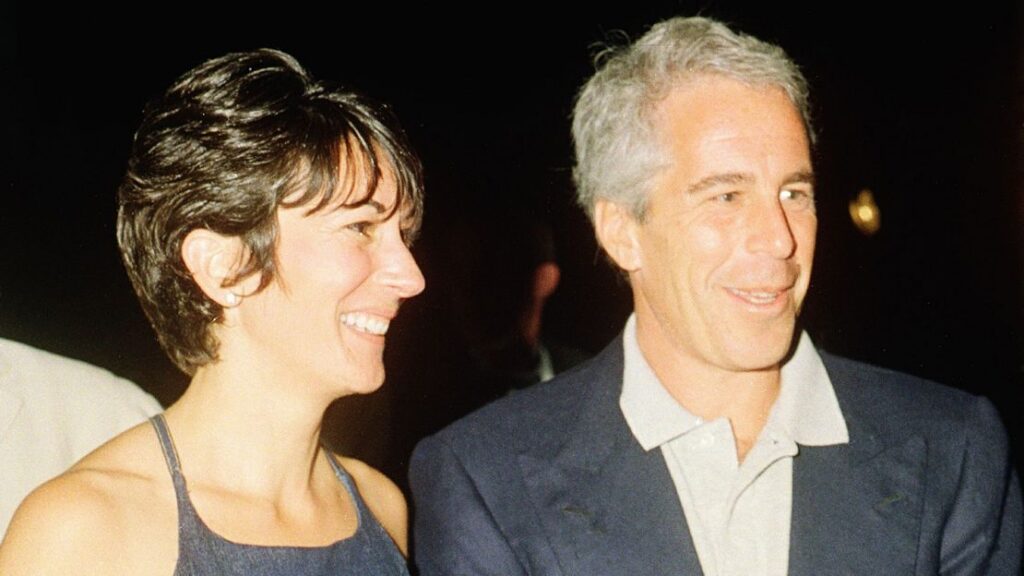
The conviction of Ghislaine Maxwell showed that accountability is possible—but it also highlighted how limited it has been. Maxwell’s prosecution focused on her role in facilitating abuse, not on the broader network that enabled Epstein’s lifestyle and crimes.
Her conviction answered one question while leaving many others untouched.
The Larger Lesson
The Epstein case is no longer just about one man. It has become a symbol of a deeper issue: the gap between justice for the powerful and justice for everyone else.
The absence of further accountability does not prove a lack of wrongdoing. It reveals how systems designed to protect fairness can fail when confronted with wealth, influence, and fear.
Until transparency replaces secrecy—and power stops acting as a shield—the Epstein case will remain unresolved in the public conscience.
Not because people forgot but because answers were never fully pursued.