


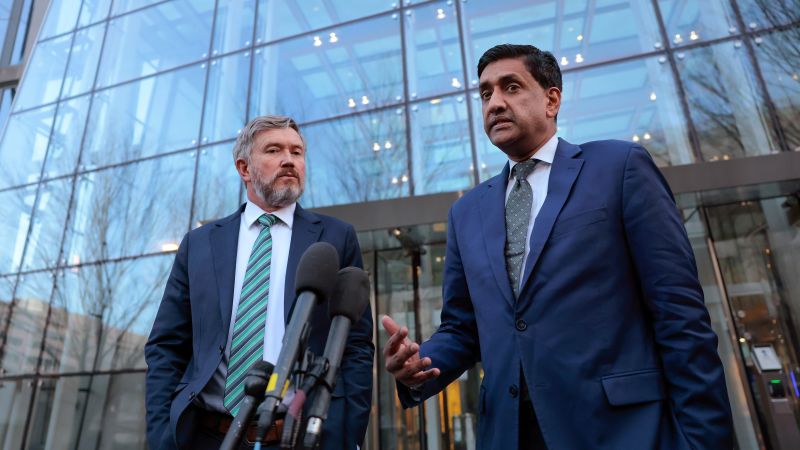
The long-running controversy surrounding Jeffrey Epstein has taken a new turn as US lawmakers accuse the Department of Justice (DOJ) of inappropriately redacting key documents related to the disgraced financier’s case.
Despite repeated assurances of transparency, the latest accusations have reignited concerns that crucial information about Epstein’s network and those connected to it remains hidden from public view.
Lawmakers Demand Transparency
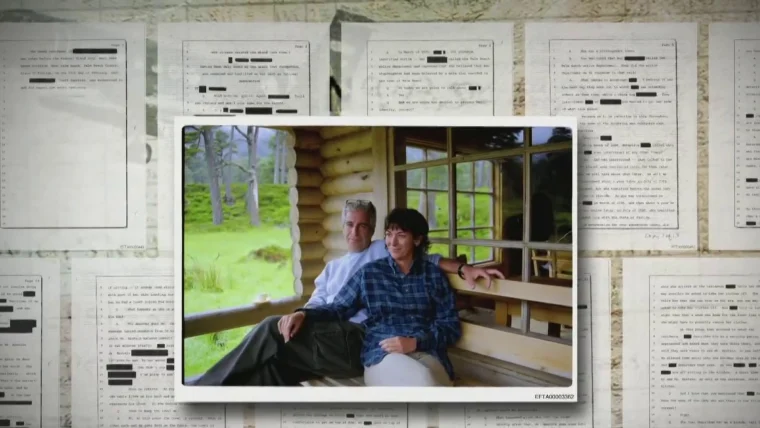
Members of Congress from both sides of the aisle have raised objections to the extent of redactions in Epstein-related files released by the DOJ. According to lawmakers, large portions of documents have been blacked out without clear justification, even in cases where individuals referenced are already publicly known.
Critics argue that excessive redactions undermine congressional oversight and prevent the public from understanding how Epstein was able to operate for years without accountability.
Claims of “Overclassification”
Lawmakers claim the DOJ is relying too heavily on privacy and procedural exemptions to justify redactions. While officials maintain that redactions are necessary to protect victims, ongoing investigations, and uninvolved third parties, critics say this reasoning has been applied too broadly.
Some lawmakers have accused the department of “overclassification,” suggesting that redactions may be shielding institutional failures rather than protecting sensitive information.

Public Trust at Stake
The Epstein case has long been a symbol of mistrust in elite accountability. Epstein’s death in federal custody in 2019, ruled a suicide, intensified public skepticism and fueled questions about transparency within the justice system.
For many Americans, the continued secrecy surrounding Epstein’s files reinforces the perception that powerful individuals and institutions are treated differently under the law.
DOJ Response
The Justice Department has defended its handling of the documents, stating that redactions are made in accordance with federal law. Officials emphasize that protecting victims of sexual abuse remains a priority and warn that releasing unredacted material could cause harm or interfere with legal processes.
However, lawmakers pushing for greater disclosure argue that transparency and victim protection are not mutually exclusive.
A Broader Accountability Debate
This dispute highlights a larger issue: how much transparency the public is entitled to when cases involve wealth, power, and political influence. While the DOJ insists it is following legal standards, critics argue that secrecy in such high-profile cases damages public confidence in democratic institutions.
Calls for independent review panels, judicial oversight, or congressional subpoenas are growing louder as pressure mounts for fuller disclosure.
What Happens Next?
Lawmakers have indicated they may pursue further hearings or legal action to compel the release of less-redacted documents. Whether the DOJ adjusts its approach remains to be seen, but the debate has once again placed Epstein—and the unanswered questions surrounding his case back in the national spotlight.
For now, transparency remains the central demand, and trust in the justice system hangs in the balance.